The Sun, the planets,
and everything
in orbit
Three presentation decks built from the same body and satellite tables that drive the Sol orrery — the eight planets, twenty-two moons, and the JunoCam images that volunteers develop from raw strips.
Three decks
1920 × 1080 · arrow keys or space to advance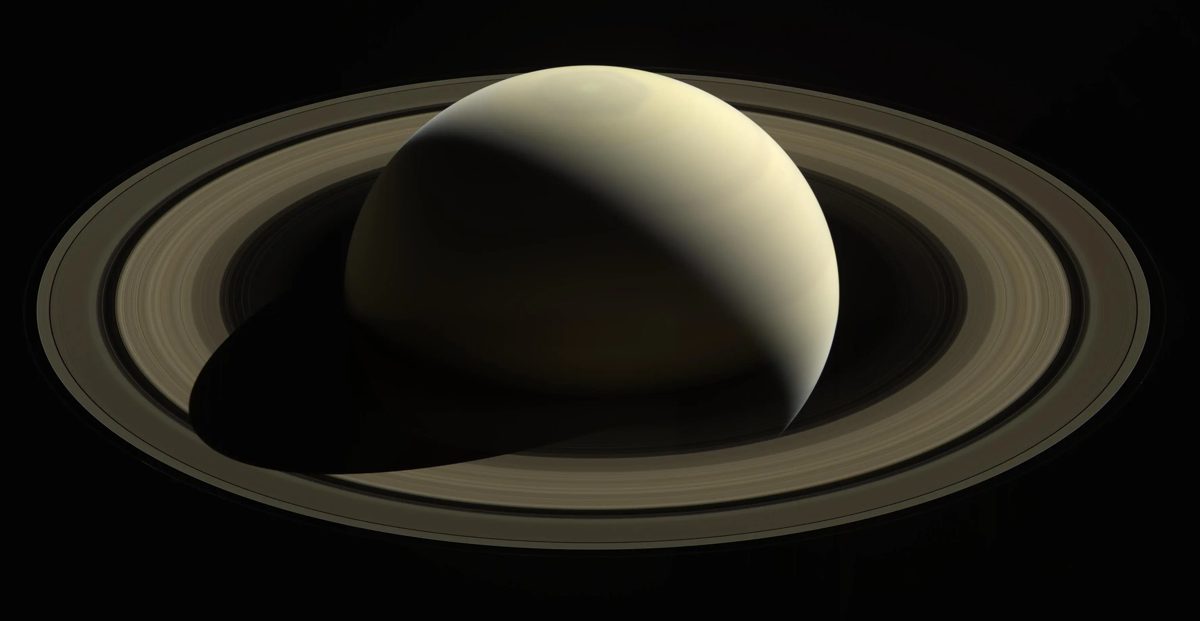 0113 slides
The Solar System
The Sun, the eight planets and the Moon — one card each with radius, mass, gravity, rotation, tilt, temperature, atmosphere and field strength.
 0218 slides
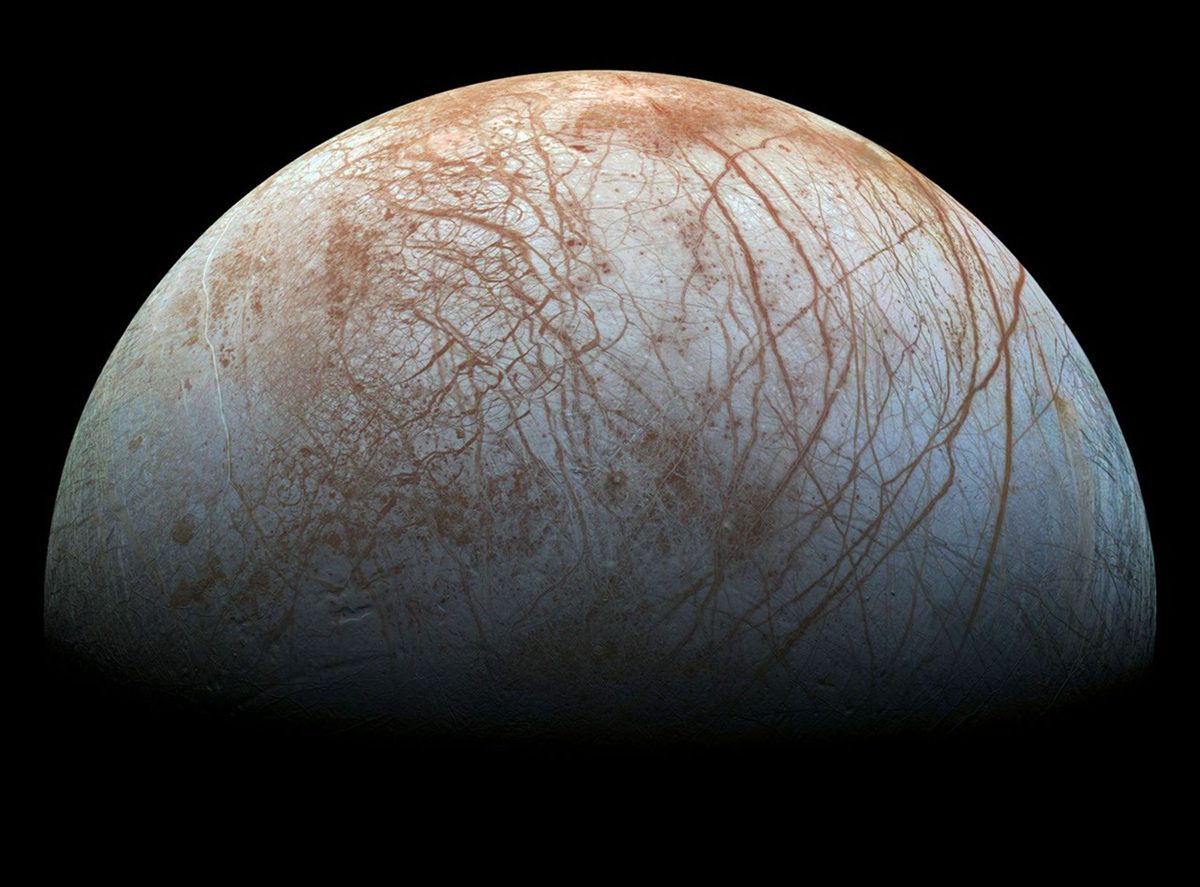
The Moons
Twenty-two moons across five systems: Mars, the Galileans, Saturn's ice moons and Titan, the Uranian five, and Neptune's three.
 0311 slides
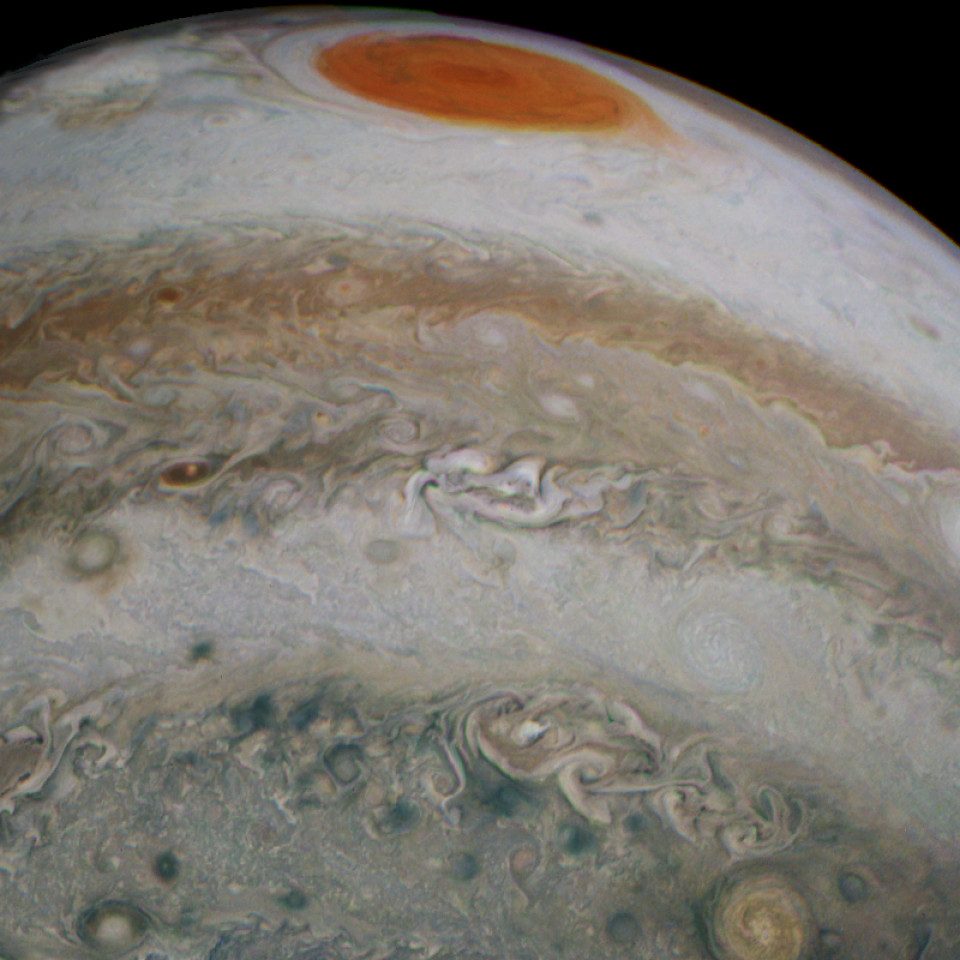
JunoCam
The instrument itself: why its images arrive as raw pushframe strips, what eight bits can hold, and the volunteers who process them.
Also in this collection
Companion pieces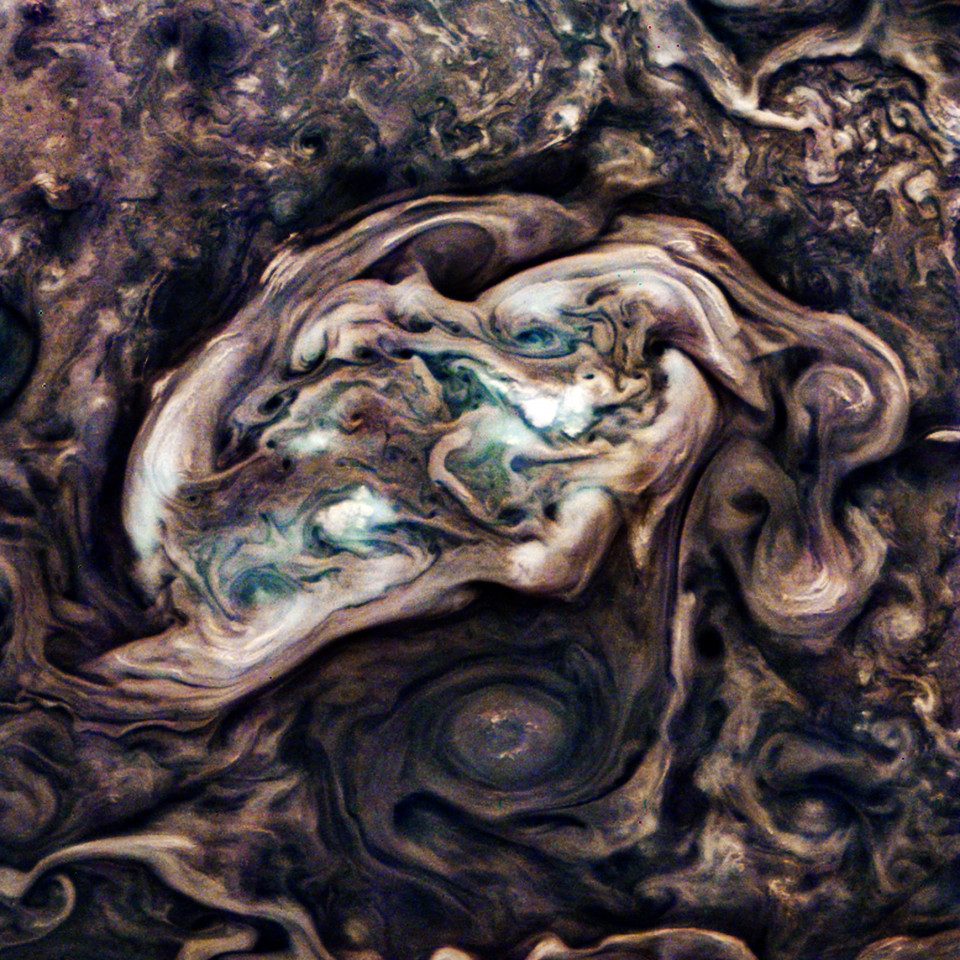
JunoCam Explorer
Thirty processed Jupiter frames, filterable by region and treatment, with a zoomable viewer and side-by-side compare.
JunoCam Poster
A single printable sheet on the same subject — print to PDF for one page.
Pocket Planetarium
An early iOS prototype: the same bodies and imagery, rebuilt as a phone app you scroll from the Sun out to Neptune. Rough edges are the point — go and have a look.
Continue to Sol
Every figure in these decks is read from the body and satellite tables in Protonmatter/sol — the solar-cycle engine and orrery. If the decks are the reference, Sol is the live instrument.